does pcos cause morbid obesity How to get pregnant with pcos and get rid of ugly symptoms
Polycystic Ovary Syndrome (PCOS) is a common disorder affecting women, especially in their reproductive years. It is characterized by hormonal imbalances leading to irregular periods, excessive hair growth, acne, and weight gain. While not all women with PCOS are overweight, many PCOS patients suffer from obesity, which can worsen their symptoms and health outcomes. Research shows that there is a link between PCOS and obesity. In fact, obesity is known to exacerbate PCOS symptoms and increase the risk of developing related conditions such as type 2 diabetes, cardiovascular disease, and infertility. On the other hand, losing weight through diet and exercise can improve PCOS symptoms, enhance fertility, and reduce the risk of associated health complications. To understand the relationship between PCOS and obesity, let’s first take a closer look at what PCOS is and what causes it. PCOS is a complex condition that involves multiple hormonal imbalances, insulin resistance, and inflammation. Women with PCOS typically produce too much androgen (male hormone), which leads to problems such as hair growth, acne, and irregular periods. They also tend to have higher levels of insulin, which can trigger the ovaries to produce more androgen. This cycle of hormonal imbalances can lead to the formation of ovarian cysts and difficulty getting pregnant. Obesity, on the other hand, is typically caused by a high-calorie diet, low physical activity, and genetic factors. When excess calories are consumed, the body stores them as fat, leading to a gradual weight gain over time. Obesity can also induce insulin resistance, which further exacerbates the hormonal imbalances seen in women with PCOS. So, how can weight loss help women with PCOS? By losing weight, women with PCOS can reduce insulin resistance, improve hormonal balance, and decrease inflammation. These changes can lead to a decrease in androgen production, hence improving acne, hair growth, and menstrual regularity. Weight loss may also help maintain a healthy body weight, reducing the risk of related health complications such as type 2 diabetes and cardiovascular disease. However, weight loss can be challenging for women with PCOS. Due to the hormonal imbalances associated with PCOS, individuals with this condition may find it harder to lose weight than those without it. Furthermore, some medications used to manage PCOS, such as oral contraceptives and metformin, can lead to weight gain. Thus, a multidisciplinary approach that incorporates dietary changes, exercise, and medication management is usually recommended. In a nutshell, the link between PCOS and obesity highlights the importance of maintaining a healthy weight to manage PCOS symptoms and reduce the risk of associated health complications. While losing weight can be challenging for women with PCOS, it should be pursued as part of a comprehensive management plan. A healthcare provider can guide patients on the best weight loss strategies tailored to their individual needs and medical history.
PCOS and Obesity
Polycystic Ovary Syndrome (PCOS) is a common disorder affecting women, especially in their reproductive years. It is characterized by hormonal imbalances leading to irregular periods, excessive hair growth, acne, and weight gain. While not all women with PCOS are overweight, many PCOS patients suffer from obesity, which can worsen their symptoms and health outcomes.
The link between PCOS and obesity
Research shows that there is a link between PCOS and obesity. In fact, obesity is known to exacerbate PCOS symptoms and increase the risk of developing related conditions such as type 2 diabetes, cardiovascular disease, and infertility. On the other hand, losing weight through diet and exercise can improve PCOS symptoms, enhance fertility, and reduce the risk of associated health complications.
Causes of PCOS
PCOS is a complex condition that involves multiple hormonal imbalances, insulin resistance, and inflammation. Women with PCOS typically produce too much androgen (male hormone), which leads to problems such as hair growth, acne, and irregular periods. They also tend to have higher levels of insulin, which can trigger the ovaries to produce more androgen. This cycle of hormonal imbalances can lead to the formation of ovarian cysts and difficulty getting pregnant.
Causes of obesity
Obesity, on the other hand, is typically caused by a high-calorie diet, low physical activity, and genetic factors. When excess calories are consumed, the body stores them as fat, leading to a gradual weight gain over time. Obesity can also induce insulin resistance, which further exacerbates the hormonal imbalances seen in women with PCOS.
The benefits of weight loss for women with PCOS
By losing weight, women with PCOS can reduce insulin resistance, improve hormonal balance, and decrease inflammation. These changes can lead to a decrease in androgen production, hence improving acne, hair growth, and menstrual regularity. Weight loss may also help maintain a healthy body weight, reducing the risk of related health complications such as type 2 diabetes and cardiovascular disease.
Challenges of weight loss for women with PCOS
However, weight loss can be challenging for women with PCOS. Due to the hormonal imbalances associated with PCOS, individuals with this condition may find it harder to lose weight than those without it. Furthermore, some medications used to manage PCOS, such as oral contraceptives and metformin, can lead to weight gain. Thus, a multidisciplinary approach that incorporates dietary changes, exercise, and medication management is usually recommended.
Conclusion
The link between PCOS and obesity highlights the importance of maintaining a healthy weight to manage PCOS symptoms and reduce the risk of associated health complications. While losing weight can be challenging, it should be pursued as part of a comprehensive management plan. A healthcare provider can guide patients on the best weight loss strategies tailored to their individual needs and medical history.
If you are searching about Eastside | Living to Eat or Eating to Live? you’ve came to the right place. We have 5 Pics about Eastside | Living to Eat or Eating to Live? like Morbid Obesity: What is it & How Can it Affect You? Los Angeles, CA | HLB, How to Get Pregnant With PCOS and Get Rid Of Ugly Symptoms and also Eastside | Living to Eat or Eating to Live?. Here you go:
Eastside | Living To Eat Or Eating To Live?
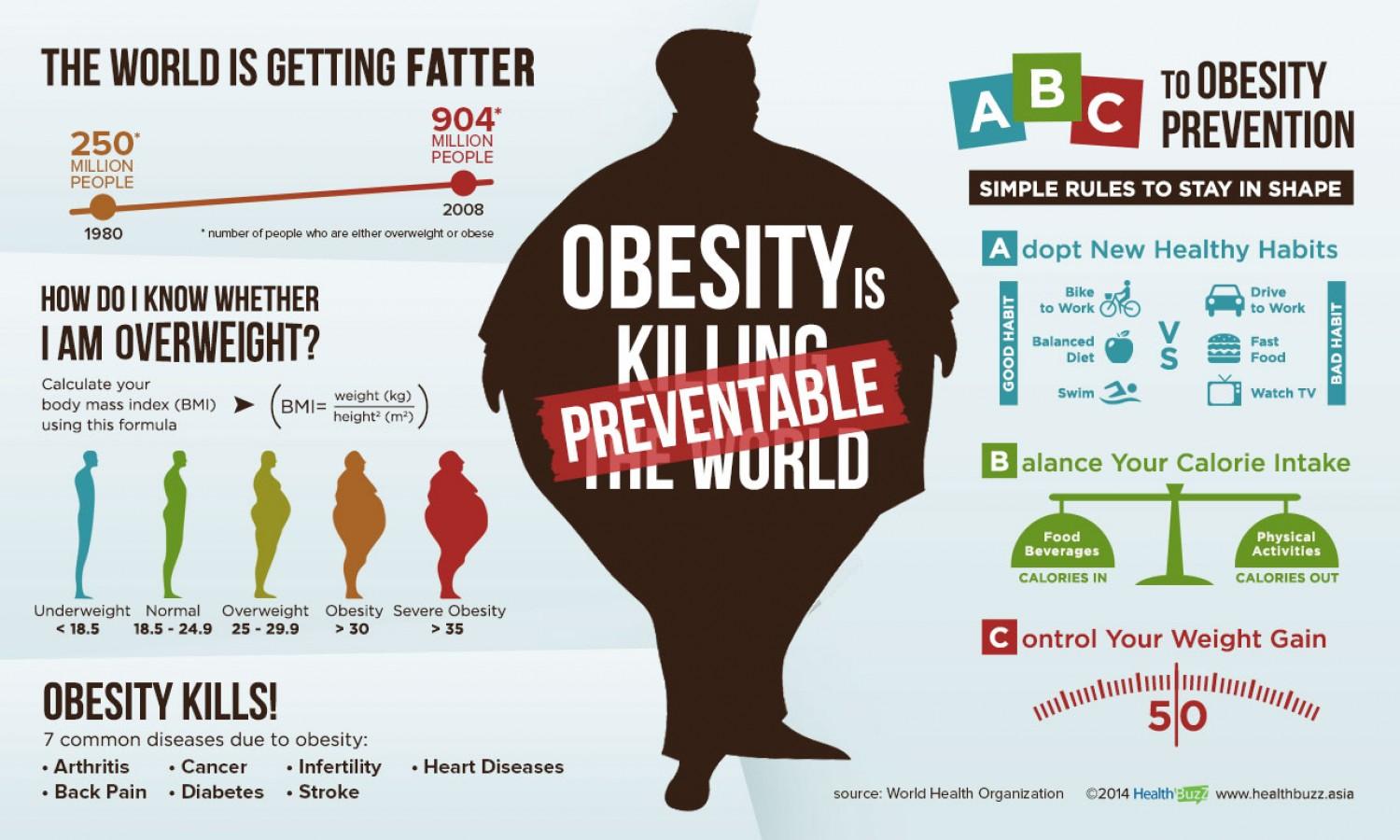 eastside-online.orgobesity eating eat living live eastside kills
How To Get Pregnant With PCOS And Get Rid Of Ugly Symptoms
 www.fightyourinfertility.compcos polycystic ovarian ovary cyst disease remedies fightyourinfertility cysts acupuncture affect imbalance patient hormone pequeno licious mdcurrent doença
PCOS And Obesity: Is There A Link Between The Two?
 www.thelondonobesitygroup.co.ukpcos polycystic syndrome ovary obesity nuvola parola ovaia ovarian pcod narayana
Morbid Obesity: What Is It & How Can It Affect You? Los Angeles, CA | HLB
 healthylifebariatrics.comobesity morbid obese morbidly strict improvised overweight anymore unhappy giving male
Is PCOS Caused By Being Overweight? - Dr. Neelima Mantri
 www.drneelimamantri.compcos caused overweight being november
Pcos polycystic ovarian ovary cyst disease remedies fightyourinfertility cysts acupuncture affect imbalance patient hormone pequeno licious mdcurrent doença. How to get pregnant with pcos and get rid of ugly symptoms. Pcos caused overweight being november